Introduction
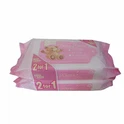
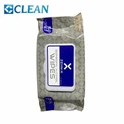
Non-sterile wipes are an important part of our daily lives. They are used everywhere, from households to industries. Non-sterile wipes come in various types, and they serve different purposes. In this article, we will explore the different types of non-sterile wipes, their uses, and their effectiveness.
What are non-sterile wipes?
Non-sterile wipes are cleaning wipes that are not designed to be used in a sterile environment. Unlike sterile wipes, non-sterile wipes are not designed to kill all bacteria, viruses, and other microorganisms.
Non-sterile wipes are usually made of a non-woven fabric. The fabric can be made of cotton, polyester, or a blend of both. The fabric is then soaked in a cleaning solution that helps to remove dirt and germs.
Types of non-sterile wipes
There are different types of non-sterile wipes, and they are designed to serve different purposes. Some of the most common types of non-sterile wipes include:
1. Disinfectant wipes: These wipes are designed to kill germs and bacteria. They are commonly used in hospitals, clinics, and other healthcare facilities.
2. Sanitizing wipes: These wipes are designed to reduce the number of germs on surfaces. They are commonly used in households, offices, and other public places.
3. Cleaning wipes: These wipes are designed to remove dirt, dust, and other particles from surfaces. They are commonly used in households and offices.
Uses of non-sterile wipes
Non-sterile wipes are used in a variety of settings, and they serve different purposes. Some of the most common uses of non-sterile wipes include:
1. Cleaning surfaces: Non-sterile wipes can be used to clean various surfaces, including countertops, tables, and floors. They are effective in removing dirt and other particles from surfaces.
2. Disinfecting surfaces: Disinfectant wipes are commonly used in hospitals, clinics, and other healthcare facilities. They are used to kill germs and bacteria on surfaces.
3. Sanitizing surfaces: Sanitizing wipes are commonly used in public places, such as restaurants and schools. They are used to reduce the number of germs on surfaces.
4. Personal hygiene: Non-sterile wipes are used for personal hygiene, such as cleaning hands and face. They are also used for feminine hygiene.
Effectiveness of non-sterile wipes
The effectiveness of non-sterile wipes depends on various factors, including the type of wipe, the cleaning solution used, and the surface being cleaned. Disinfectant wipes are the most effective in killing germs and bacteria. Sanitizing wipes are effective in reducing the number of germs on surfaces. Cleaning wipes are effective in removing dirt and other particles from surfaces.
It is important to note that non-sterile wipes are not as effective as sterile wipes. Sterile wipes are designed to kill all bacteria, viruses, and other microorganisms.
Safety considerations
While non-sterile wipes are generally safe to use, there are some safety considerations to keep in mind. Some cleaning solutions can cause skin irritation or allergic reactions, especially in people with sensitive skin. It is important to read the label and follow the instructions carefully when using non-sterile wipes.
It is also important to dispose of non-sterile wipes properly. Wipes should be thrown in the trash, and not flushed down the toilet. Flushing wipes can cause plumbing problems and harm the environment.
Conclusion
Non-sterile wipes are an important part of our daily lives. They are used in households, industries, and other settings. Non-sterile wipes come in different types, and they serve different purposes. Disinfectant wipes are designed to kill germs, sanitizing wipes are designed to reduce the number of germs, and cleaning wipes are designed to remove dirt and other particles from surfaces. While non-sterile wipes are generally safe to use, it is important to follow the instructions carefully and dispose of them properly.